
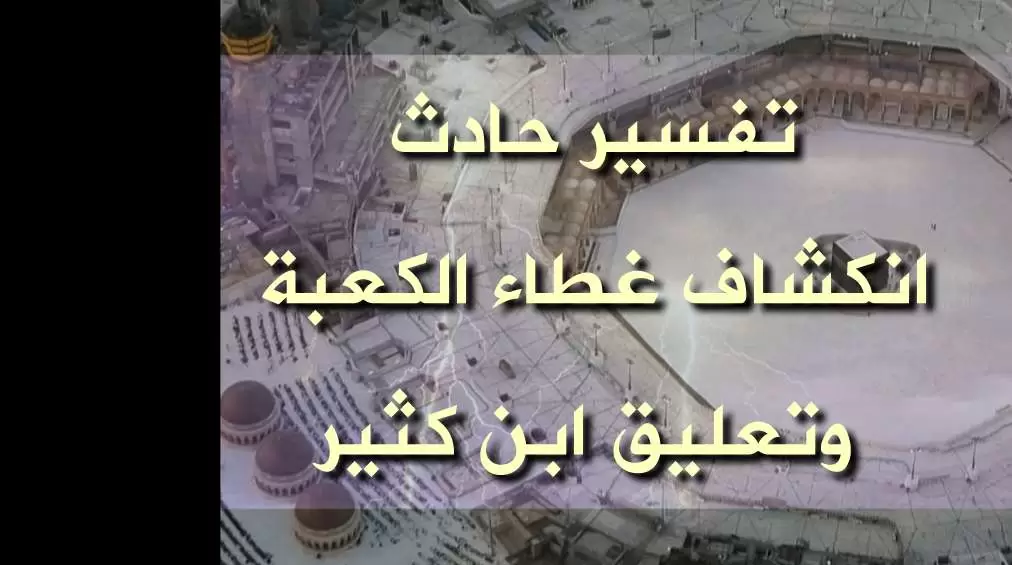
The Revelation of the Kaaba: A Sign of Frailty, Spotlessness, and Divine Closeness
The Kaaba, clad in its signature black kiswah (fabric), is an image immediately recognized by over a billion faithful globally. This wrapping, exchanged yearly throughout Hajj, is a deep emblem of respect, honour, and the holiness of the Creator’s dwelling. Yet what occurs when this covering is removed? What are the deeper meanings of the Kaaba being exposed? While an infrequent physical happening—typically only for refurbishment or during set historic episodes—the notion of an “exposed” Kaaba is rich with spiritual, past, and end-times symbolism.
1. The Emblem of Initial Spotlessness and Exposure
The primary consequence of an uncovered Kaaba is the return to its initial, immaculate condition. The Prophet Ibrahim (Abraham) and his son Ismail (Ishmael) erected the Kaaba as a basic, unadorned square edifice. The kiswah, whilst a mark of admiration, is an addition. Taking it off sheds the layers of human ornamentation to show the bare, fundamental surface.
This gesture represents fragility and modesty. Just as the Kaaba stands physically open to the weather—air, moisture, and sunshine—likewise does the devotee stand facing God without any screen or pretence. The ihram garments worn by visitors during Hajj and Umrah mirror this precise symbolism: two plain, white, unsewn cloths that eliminate all indicators of standing, riches, and selfhood. An uncovered Kaaba embodies the supreme state of tawhid (oneness of God), where nothing—not even a sacred textile—is between the Maker and His creation.
2. Past Sorrow and the Seizure of the Covering
History presents a powerful, adverse suggestion to the uncovering of the Kaaba. In 930 CE, the Qarmatians, an extreme Isma’ili group, assailed Mecca during Hajj, massacred worshippers, and took the Black Stone from the Kaaba’s corner. As an act of ultimate disrespect, they also stripped the Kaaba of its kiswah. For 22 years, the Kaaba remained uncovered and the Black Stone was missing.
In this setting, an uncovered Kaaba denotes pollution, absence, and spiritual disaster. It suggested the brief victory of disorder over structure, of error over firm belief. The deed of leaving the Kaaba bare was not a return to spotlessness but a forceful declaration of might and a stripping of the Kaaba’s dignity. When the Abbasid Caliphate finally retrieved the Black Stone and re-covered the Kaaba in 952 CE, it signified the re-establishment of cosmic and religious order. Therefore, uncovering can also mean a period of crisis, a warning that the sanctuary of devotion is under peril.
3. The End-Times Revelation: The Close of Eras
Islamic eschatology (the study of what comes at the end) details a distinct and final revelation of the Kaaba. Main prophetic indicators include that close to the termination of time, the Kaaba will be demolished. Some accounts mention that a slender-legged Ethiopian will dismantle it piece by piece. Others depict that a strong gust or a gentle breath will carry away the spirits of all genuine adherents, leaving only the most wicked of humankind. In that final, corrupt epoch, the Kaaba will be physically ruined and left exposed and damaged.
This ultimate revelation signifies the cessation of devotional duty and the crumbling of faith as a societal structure. Once the Kaaba is gone, worship, pilgrimage, and the central focus of Islamic service lose their significance. It is a potent image of the Final Reckoning drawing near, where the markers of this world, regardless of how hallowed, become irrelevant faced with the direct, unconcealed truth of the Divine decree.
4. A Metaphor for Inner Revelation
Beyond physical occurrences, the concept of “revealing the Kaaba” functions as a strong analogy for the spiritual quest. The kiswah can be viewed as the screens covering the human core: arrogance, deceit, attachment to the temporal, and dependence on material assets. To “reveal the Kaaba of the core” implies shedding these screens to uncover the raw, genuine essence of one’s conviction—the qalb salim (whole heart).
In Sufi contemplation, the material Kaaba is an outward sign of the internal Bait-ul-Ma’mur (the often-visited dwelling of the heart). A mystic’s voyage is to remove the coverings of the ego (nafs) to locate God’s presence residing within. Thus, the uncovered Kaaba represents spiritual truthfulness, direct meeting with the Divine, and the daunting yet freeing condition of absolute existential clarity before God.
Summary
The dawning of the Kaaba, whether as a rare physical episode, a recollection of past affliction, a foretelling of the world’s end, or a likeness for spiritual refinement, bears deep and often conflicting interpretations. It can suggest a return to pristine, modest beginnings or a slide into defilement and loss. It can foreshadow the exposure of a soul seeking God or the final undoing of the physical universe.
In conclusion, the covered Kaaba stands for the regulated, safeguarded, and continuing observance of faith in this realm. The uncovered Kaaba points past this world—toward the stark, direct reality of God, before Whom all veils, whether of silk, stone, or self, must inevitably lift. It is a clear reminder that while we cherish the tokens, it is the Reality they signify that truly matters.
.
تفسير حادث انكشاف غطاء الكعبة وتعليق ابن كثير
قبل عامين حدث أمر تنبه له كثير من المسلمين وهو سقوط ستار الكعبة بسبب رياح عاتية، وصاحبتها أمطار رعدية وصواعق شديدة
علق على ما حدث في الكعبة الكتاب والباحثون ورواد مواقع التواصل وكل أدلى بدلوه
لكن كان هناك تعليق شبه متفق عليه تكرر عند كثير من المعلقين ومضمونه كالتالي:
حادث انكشاف غطاء الكعبة هو علامة حقيقية تعبر عن كشف وجه الحق و كل حدث كبير وله علامات تسبقه و هذا لا يخص المسلمين فقط غير أن غالب الأحوال لا يفهمها إلا من له فراسة.
والسؤال الذي يطرح نفسه هو هل حدث مثل هذا الأمر في السابق وهل هناك من علق عليه من علماء المسلمين؟
الجواب نعم، ذكر مثل ذلك الحدث الحافظ ابن كثير المفسر المشهور المتوفى سنة: 774هـ قال في كتابه البداية والنهاية:
وفيها أي ( في سنة 644هـ ) هبت رياح عاصفة شديدة بمكة في يوم الثلاثاء من عشر ربيع الآخر، فألقت ستارة الكعبة المشرفة، وكانت قد عتُقت، فإنها من سنة أربعين لم تجدد لعدم الحج في تلك السنين من ناحية الخليفة، فما سكنت الريح إلا والكعبة عريانة قد زال عنها شعار السواد، وكان هذا فألا على زوال دولة بني العباس، ومنذرا بما سيقع بعد هذا من كائنة التتار لعنهم الله تعالى. فاستأذن نائب اليمن عمر بن سول شيخ الحرم العفيف بن منعة في أن يكسو الكعبة، فقال لا يكون هذا إلا من مال الخليفة، ولم يكن عنده مال فاقترض ثلاثمائة دينار واشترى ثياب قطن وصبغها سوادا وركّب عليها طرازاتها العتيقة وكسا بها الكعبة ومكثت الكعبة ليس عليها كسوة إحدى وعشرين ليلة.
المصدر: البداية والنهاية لابن كثير (المتوفى: 774هـ) 13/ 171-172
طبعة دار الفكر: 1407 هـ – 1986 م
نستنتج من ذلك أن هناك أمرا ما قادم في السنوات القريبة القادمة وهو أمر يغير مجرى الأحداث في البلاد الإسلامية وخصوصا في الجزيرة العربية.
لا يمكن تحديد ذلك الوقت لكن قادم لا محالة وإرهاصاته ظهرت في عام 2020 عندما ظهر فيروس كورونا وتفاصيل ذلك عند الله الواحد الأحد
شاهد حادث انكشاف غطاء الكعبة وتعليق ابن كثير